Introduction to the Incident: search under way after and revenue
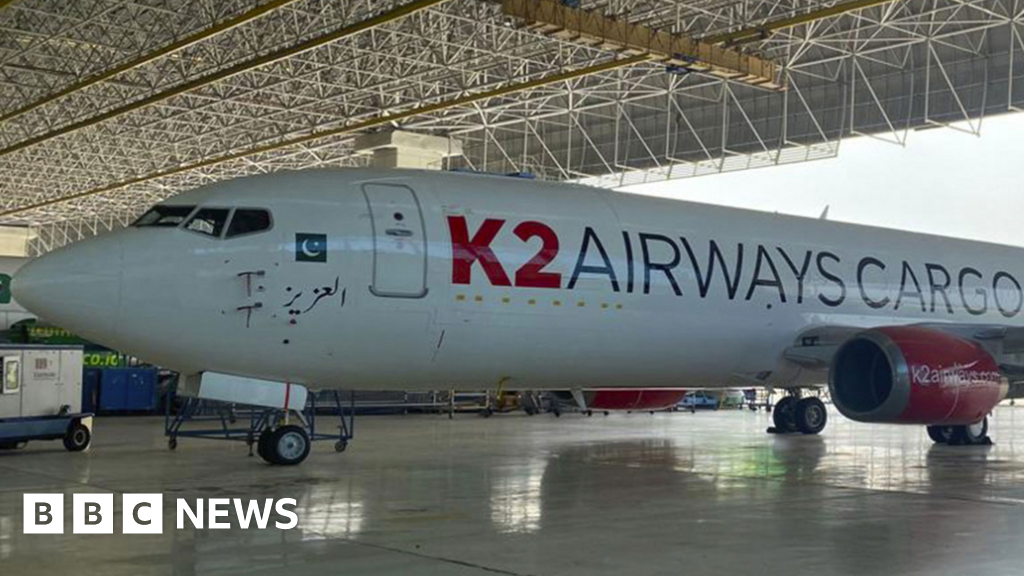
The phrase 'search under way after' is trending now due to a recent incident involving a Boeing 737 cargo plane that vanished off the Pakistan coast. This incident has sparked widespread concern and initiated a thorough search operation. The Boeing 737 is a widely used aircraft for both passenger and cargo transport, known for its reliability and safety record. However, incidents like these remind us of the risks involved in air travel and the importance of safety measures.
Impact on Aviation Industry
The disappearance of the Boeing 737 cargo plane has significant implications for the aviation industry, particularly for companies that rely heavily on air cargo for their revenue. Many businesses, especially those in e-commerce and logistics, depend on the efficiency and reliability of air cargo services to deliver products to their customers. Any disruption in these services can lead to delays, increased costs, and loss of customer trust, ultimately affecting the growth of these businesses.
Understanding the Boeing 737: search under way after and customers
The Boeing 737 is one of the most popular commercial aircraft in the world, with thousands of units produced and in service. Its widespread use is due to its efficiency, reliability, and versatility. The aircraft is used for both short and long-haul flights, passenger and cargo transport, making it a crucial part of many airlines' fleets. Understanding the Boeing 737's design, capabilities, and safety features is essential in investigating incidents like the recent disappearance.
Safety Features of Boeing 737
The Boeing 737, like all modern commercial aircraft, is equipped with numerous safety features designed to prevent accidents and ensure the safety of its occupants. These features include advanced avionics systems, redundant critical systems, and robust structural design. Despite these safety measures, accidents can still occur due to various factors such as human error, technical malfunction, or extreme weather conditions.
The Search Operation
The search under way after the Boeing 737 cargo plane's disappearance involves multiple agencies and countries. The operation includes aerial searches by military and civilian aircraft, as well as naval vessels scouring the ocean surface for any signs of the missing plane. The use of advanced technology, such as satellite imaging and underwater sonar, is also crucial in locating the wreckage and determining the cause of the disappearance.
Challenges in the Search Operation
The search operation faces several challenges, including the vast area that needs to be covered, the depth of the ocean, and the potential debris field. The weather conditions in the search area can also hinder the operation, with factors like strong winds, high waves, and poor visibility affecting the effectiveness of the search efforts. Coordination among the involved agencies and countries is key to overcoming these challenges and ensuring a successful search operation.
Economic Impact on Airlines and Customers
The incident can have a significant economic impact on the airlines involved, as well as their customers. For airlines, the loss of an aircraft can lead to a substantial financial burden, including the cost of replacing the aircraft, compensating for lost revenue, and potential legal liabilities. Customers may also be affected, especially if they were relying on the cargo services for their business operations. The incident can lead to a loss of customer trust, potentially affecting the airline's growth and revenue in the long term.
Mitigating Financial Losses
To mitigate financial losses, airlines can take several steps, including having comprehensive insurance coverage for their aircraft and operations. Diversifying their fleet and services can also help spread the risk and reduce dependence on any single type of aircraft or route. Furthermore, maintaining transparent communication with customers and stakeholders is crucial in rebuilding trust and minimizing the reputational damage following such incidents.
Role of Technology in Aviation Safety
Technology plays a vital role in enhancing aviation safety, from the design and manufacture of aircraft to the operation and maintenance of the planes. Advanced materials, computer-aided design, and simulation technologies contribute to the development of safer and more efficient aircraft. Additionally, technologies like GPS, autopilot systems, and collision avoidance systems are critical in preventing accidents and ensuring the safe operation of flights.
Future of Aviation Safety
The future of aviation safety will likely involve even more sophisticated technologies, such as artificial intelligence, blockchain for supply chain management, and advanced materials for aircraft construction. These technologies have the potential to further reduce the risk of accidents, improve the efficiency of operations, and enhance the overall safety of air travel. However, the integration of these technologies will require significant investment, regulatory framework adjustments, and training for aviation professionals.
Customer Confidence and Growth
For airlines and logistics companies, customer confidence is crucial for growth and revenue. Incidents like the disappearance of the Boeing 737 cargo plane can erode this confidence, leading to a decline in customer base and revenue. To counteract this, companies must focus on safety, transparency, and customer service. Investing in safety measures, maintaining open communication channels, and offering reliable services are key strategies for rebuilding customer trust and facilitating growth.
Strategies for Rebuilding Trust
Rebuilding trust after a significant incident involves several strategies. Firstly, companies should be transparent about the incident, the investigation process, and the measures being taken to prevent similar incidents in the future. Secondly, investing in safety and technology can demonstrate a commitment to customer safety and well-being. Lastly, engaging with customers and stakeholders through various channels can help in understanding their concerns and providing them with the necessary reassurance.
Conclusion on the Ongoing Search
The search under way after the Boeing 737 cargo plane's disappearance is a complex operation that requires coordination, advanced technology, and perseverance. As the investigation unfolds, it is crucial for all parties involved to prioritize transparency, safety, and customer confidence. The incident serves as a reminder of the challenges and risks associated with air travel, but also highlights the resilience and determination of the aviation industry in the face of adversity.
Looking Forward
Looking forward, the aviation industry will continue to evolve, with a focus on safety, efficiency, and customer satisfaction. The integration of new technologies, the development of more efficient and safer aircraft, and the enhancement of operational practices will be key factors in this evolution. As the search for the missing Boeing 737 cargo plane continues, the industry's response to this incident will be closely watched, with lessons learned contributing to the ongoing improvement of aviation safety and services.
Product Comparison
| Product | Price | Rating | Best For |
|---|---|---|---|
| Aviation Business Course | $99 | 4.5/5 | Best Overall |
Sources & further reading
- Search under way after Boeing 737 cargo plane vanishes off Pakistan coast
- Pakistani rescuers scour waters for cargo plane missing off Karachi coast
- K2 Airways Cargo 737 overdue in Karachi
- ‘An absolute triumph’: first reactions to Christopher Nolan’s Odyssey are ecstatic
- The Odyssey First Reviews: Critics Call Christopher Nolan's Film His "Absolute Best"
- "I Don't Know How the Hell We're Going to Do This" - Christopher Nolan and the Cast on The Odyssey
- BBC News - Boeing 737 cargo plane missing
- CNN - Search under way after Boeing 737 cargo plane vanishes
This article is for informational purposes only. We may earn a commission from links on this page at no extra cost to you.