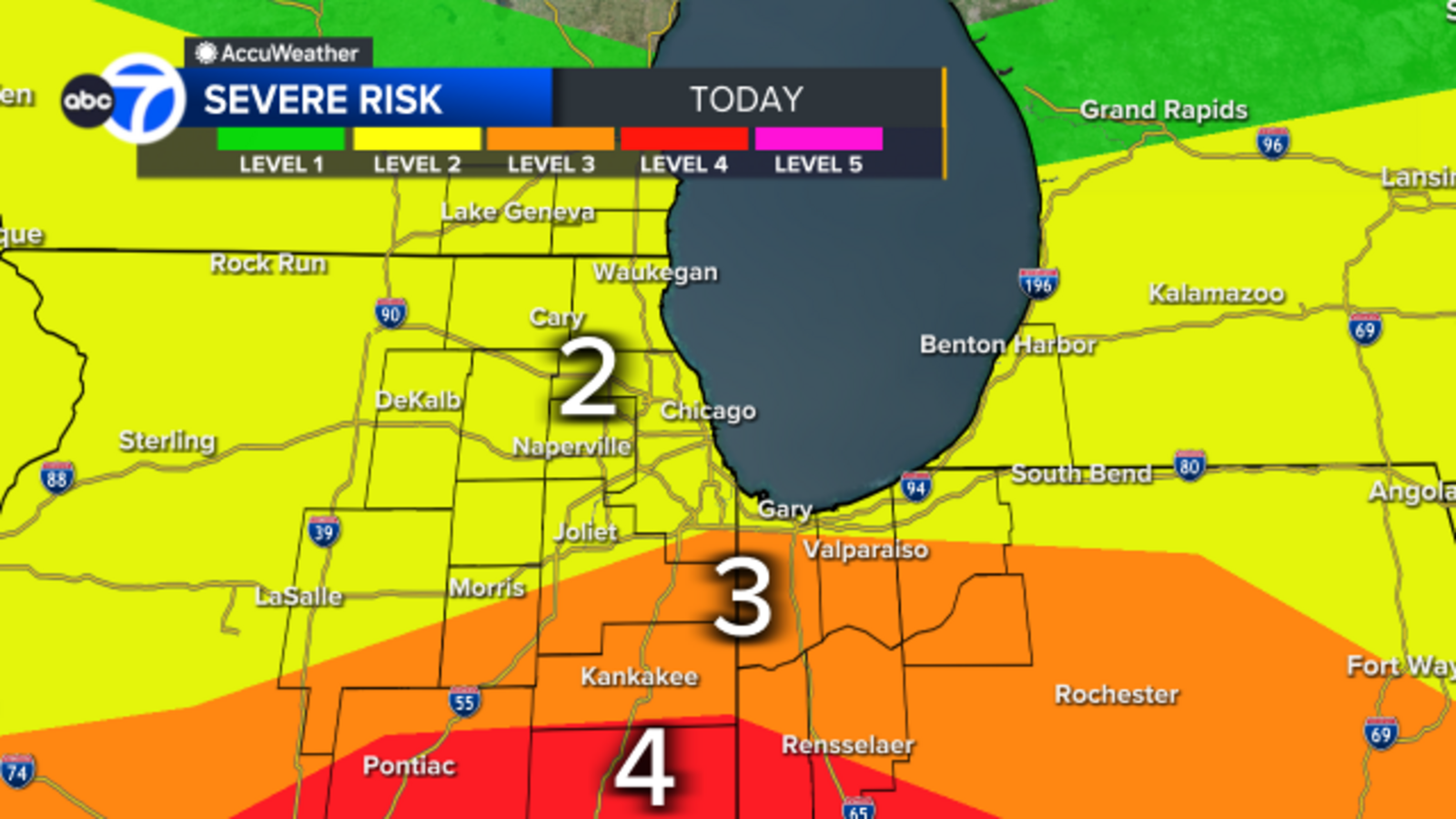
Introduction to Chicago Illinois Weather Forecast
The chicago illinois weather forecast is trending now due to a Tornado Watch issued for parts of the area. This has caused concern among residents and visitors alike. When it comes to dealing with unexpected weather events, having a solid financial plan in place can be crucial. This includes managing your money, building savings, and reducing debt.
Why Financial Planning Matters
Financial planning is essential in times of uncertainty. It helps you prepare for unexpected expenses, such as damage to your home or vehicle. By having a cushion of savings, you can avoid going into debt when emergencies arise. Additionally, a well-planned budget can help you prioritize your spending and make the most of your money.
Creating a Budget
To create a budget, start by tracking your income and expenses. Make a list of all your monthly expenses, including rent, utilities, and groceries. Then, categorize your expenses into needs and wants. This will help you identify areas where you can cut back and allocate more money to savings and debt repayment.
Understanding the Impact of Weather on Finances: chicago illinois weather forecast and money
Severe weather events can have a significant impact on your finances. From damage to your property to lost income due to business closures, the effects can be far-reaching. It's essential to understand these risks and take steps to mitigate them. This includes having insurance coverage for your home and vehicle, as well as building an emergency fund to cover unexpected expenses.
Insurance Coverage
Insurance coverage is critical in protecting your assets from weather-related damage. Make sure you have adequate coverage for your home and vehicle. Review your policies regularly to ensure you're not underinsured. Additionally, consider purchasing flood insurance if you live in a high-risk area.
Emergency Fund
An emergency fund is a cushion of savings that can help you cover unexpected expenses. Aim to save 3-6 months' worth of living expenses in a easily accessible savings account. This will provide you with a financial safety net in case of unexpected events, such as a tornado or other severe weather event.
Managing Debt During Financial Stress: chicago illinois weather forecast and savings
Managing debt can be challenging, especially during times of financial stress. However, it's essential to stay on top of your debt payments to avoid falling further behind. Consider consolidating your debt into a single, lower-interest loan. This can simplify your payments and save you money on interest.
Debt Consolidation
Debt consolidation involves combining multiple debts into a single loan. This can be a good option if you have high-interest debt, such as credit card balances. Look for a loan with a lower interest rate and a longer repayment period. This will give you more time to pay off your debt and reduce your monthly payments.
Communicating with Creditors
If you're struggling to make debt payments, communicate with your creditors. They may be willing to work with you to temporarily suspend or reduce payments. Be honest about your financial situation and provide documentation to support your request. This can help you avoid late fees and negative credit reporting.
Building Savings
Building savings is an essential part of managing your finances. It provides a cushion of money that can help you cover unexpected expenses and achieve long-term goals. Consider setting up automatic transfers from your checking account to your savings account. This will make saving easier and less prone to being neglected.
Automatic Transfers
Automatic transfers are a great way to build savings. Set up a regular transfer from your checking account to your savings account. This will ensure that you save a fixed amount of money at regular intervals. You can also take advantage of employer-matched retirement accounts, such as 401(k) or IRA.
Avoiding Savings Pitfalls
There are several pitfalls to avoid when building savings. One common mistake is dipping into your savings for non-essential purchases. Try to avoid this by setting up separate accounts for different goals, such as a vacation fund or a down payment on a house.
Investing for the Future
Investing for the future is an important part of building wealth. It involves putting your money into assets that have a high potential for growth, such as stocks or real estate. Consider working with a financial advisor to create a personalized investment plan. This will help you identify your goals and risk tolerance, and develop a strategy to achieve them.
Understanding Risk Tolerance
Understanding your risk tolerance is essential when investing for the future. It involves assessing your ability to withstand market fluctuations and losses. If you're risk-averse, you may want to consider more conservative investments, such as bonds or money market funds.
Diversifying Your Portfolio
Diversifying your portfolio is critical in reducing risk and increasing potential returns. This involves spreading your investments across different asset classes, such as stocks, bonds, and real estate. Consider working with a financial advisor to create a diversified portfolio that aligns with your goals and risk tolerance.
Staying Informed About Personal Finance
Staying informed about personal finance is essential in making smart financial decisions. This involves staying up-to-date with the latest news and trends in the financial world. Consider following personal finance blogs or websites, such as The Balance or NerdWallet.
Personal Finance Resources
There are many resources available to help you stay informed about personal finance. These include books, podcasts, and online courses. Consider taking a course or workshop to learn more about topics such as budgeting, investing, or retirement planning.
Avoiding Financial Scams
Avoiding financial scams is critical in protecting your money and identity. Be cautious of unsolicited offers or investments that seem too good to be true. Always research the company or individual before investing, and never provide personal or financial information to unknown parties.
Conclusion
In conclusion, managing your finances effectively is crucial in achieving financial stability and security. This includes creating a budget, building savings, and reducing debt. By staying informed about personal finance and avoiding common pitfalls, you can make smart financial decisions and achieve your long-term goals. Remember to always prioritize your financial well-being, especially during times of uncertainty, such as severe weather events. By taking control of your finances, you can reduce stress and build a brighter financial future.
Product Comparison
| Product | Price | Rating | Best For |
|---|---|---|---|
| Mint Budgeting App | $0 | 4.5/5 | Best Overall |
Sources & further reading
- Chicago, Illinois weather forecast: Tornado Watch issued for parts of area | Radar
- Woman says parents concerned about more severe storms after home destroyed by EF-3 tornado
- Severe weather timeline: Tracking Wednesday storm chances
- Georgia Republicans Shelve Redistricting Amid Mounting Protests
- Georgia Republican legislative leaders reject governor's call for 2028 redistricting
- Georgia Republicans decline to redraw congressional map in defiance of Trump
- NBC - Chicago Weather
- Woman says parents concerned about more severe storms
This article is for informational purposes only. We may earn a commission from links on this page at no extra cost to you.