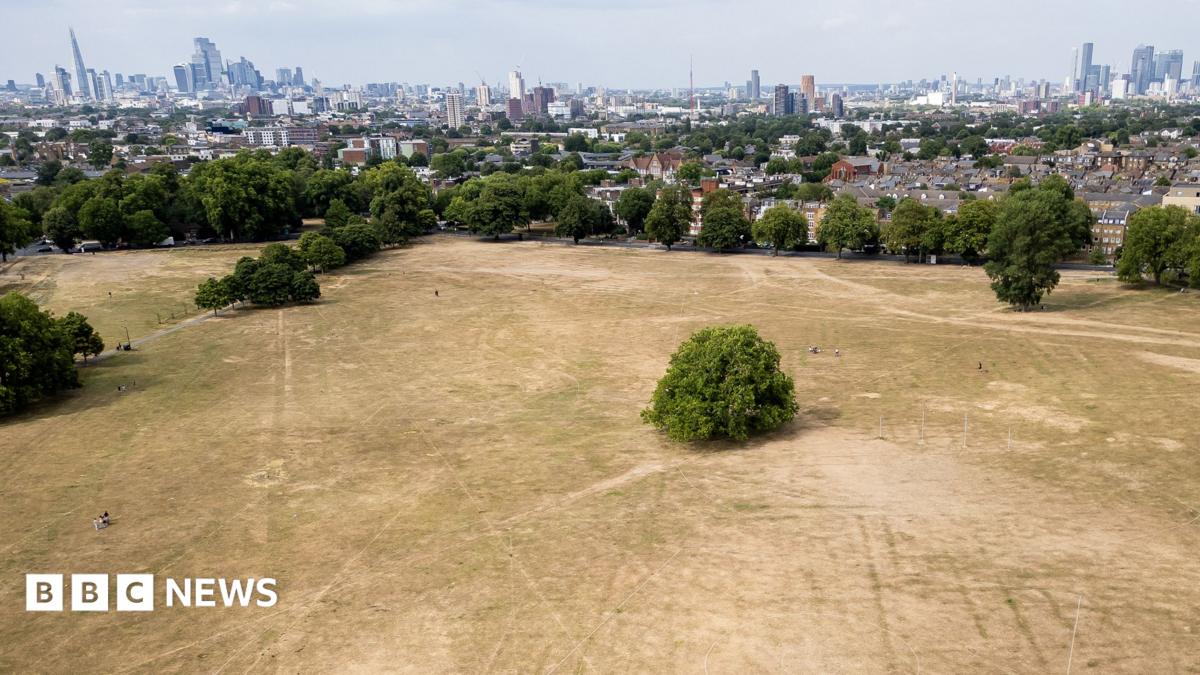
Updated: 2026-07-29 — The Environment Agency has declared drought across more than half of England, warning that hot, dry weather is draining water supplies faster than nature can refill them. More than 20 million people are already under hosepipe bans, and officials say further restrictions could follow.
What happened
On Wednesday, the Environment Agency (EA) confirmed drought status for large parts of central, eastern and southern England. The move is a public signal that monitoring is being stepped up and that tighter controls on water taken from rivers and groundwater may expand.
Helen Wakeham, EA director of water and chair of the National Drought Group, said: "The hot and dry weather means we are currently using water faster than nature can replenish it."
Which areas of England are in drought?
According to the Environment Agency, drought has been declared in:
- East Anglia
- Hertfordshire and the whole of London
- Thames Valley
- Hampshire and the Isle of Wight
- Devon and Cornwall
- the West Midlands
- Wessex (Dorset, Somerset, Wiltshire and South Gloucestershire)
North Wales and the Upper Severn basin entered drought last week, Natural Resources Wales said. Parts of eastern Scotland are in "significant scarcity," according to SEPA. Northern Ireland is not currently in drought.
Why is this called a flash drought?
January and February were unusually wet, which helped refill reservoirs. Late spring and summer then turned exceptionally hot and dry — a swing scientists sometimes call "climate whiplash."
July rainfall so far is about 7% of average across England and just 1% in the south. Some parts of Devon and Hampshire have gone more than a month without rain. The EA says the rapid drop in soil moisture, rivers and vegetation reserves amounts to a flash drought — drought that arrives suddenly rather than over years.
Met Office chief meteorologist Will Lang said warm, exceptionally dry conditions are having a "significant impact." Early August may bring some rain, but there is no sign yet of sustained rainfall that would reverse the shortage.
Impact on food, rivers and wildfires
Low river flows are already affecting wildlife, including Atlantic salmon struggling to move upstream. The National Farmers' Union says extreme conditions are making food production "harder, riskier and more costly," with knock-on risks for UK food security.
Parts of the UK are in a fourth heatwave this year, with temperatures potentially peaking near 35C in the south-east. The National Fire Chiefs Council says wildfire risk remains elevated, with more than 200 wildfire incidents reported in England and Wales over the past two weeks.
The Met Office also verified a new UK June temperature record of 38.0C at Lingwood, Norfolk, on 26 June 2026.
What happens next?
The drought declaration does not automatically mean new bans everywhere, but it raises the chance of wider hosepipe restrictions where they are not already in force. England has now seen three droughts in five years — 2022, 2025 and 2026 — as hotter summers and rising demand put pressure on ageing water infrastructure.
FAQ
What does an Environment Agency drought declaration mean?
It signals stepped-up monitoring and possible tighter controls on water taken from rivers and groundwater. Hosepipe bans may follow if they are not already in place.
Which parts of England are in drought?
East Anglia, Hertfordshire and London, Thames Valley, Hampshire and the Isle of Wight, Devon and Cornwall, the West Midlands, and Wessex (Dorset, Somerset, Wiltshire, South Gloucestershire).
What is a flash drought?
A drought that develops suddenly after a rapid shift from wet to hot, dry weather — depleting soil, rivers and vegetation reserves in weeks rather than years.
Sources
News report based on BBC reporting and Environment Agency announcements. Local restrictions can change — check your water company for hosepipe ban rules.