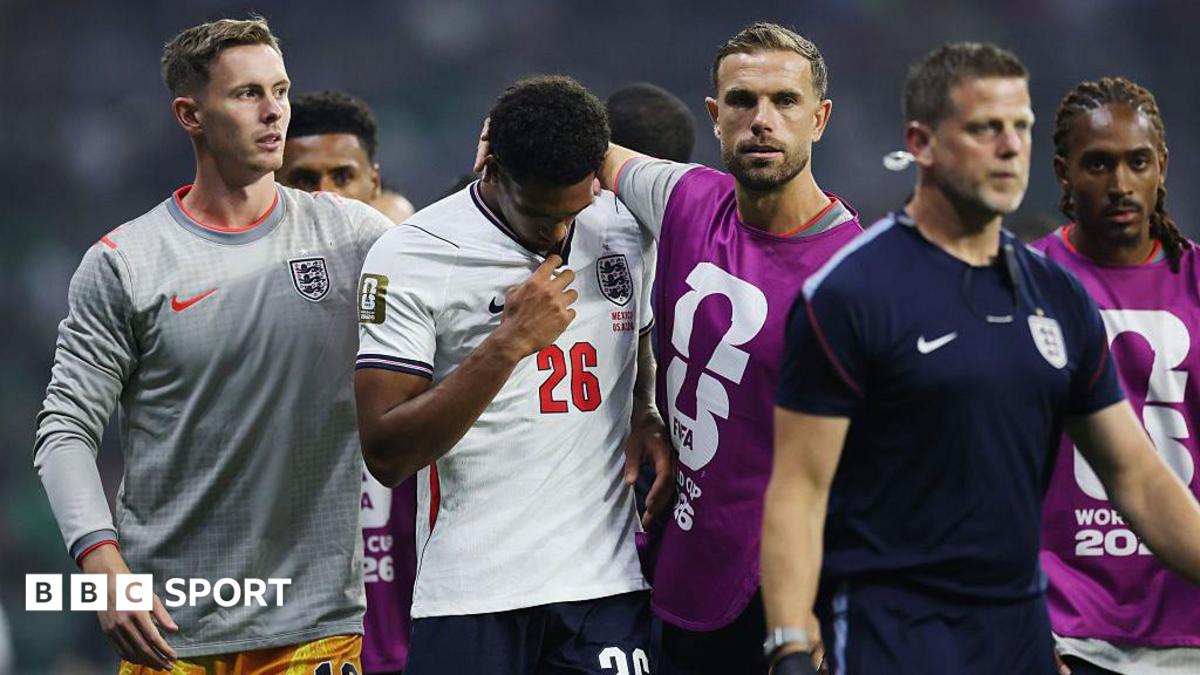
Introduction to England's Jarell Quansah Suspension: england apos jarell quansah and money
The news of England's Jarell Quansah being suspended for two World Cup matches after receiving a red card against Mexico is trending now. This situation with England's Jarell Quansah is a reminder that our actions have consequences, not just in sports, but in our personal finances as well. Making smart money decisions is crucial to avoid financial penalties and achieve long-term stability. In this article, we will explore the lessons we can learn from England's Jarell Quansah suspension and apply them to our personal finance, focusing on money, savings, and debt.
Understanding the Consequences
Just like Jarell Quansah's suspension affects his team's performance, our financial decisions can impact our future. For instance, overspending can lead to debt, which is similar to receiving a red card in a game - it sets us back. Understanding the consequences of our financial actions is the first step to making better decisions. We should consider how our spending habits, savings strategies, and debt management can either hinder or help us achieve our financial goals.
Practical Steps to Financial Stability
To avoid financial penalties, it's essential to have a solid understanding of our financial situation. This includes tracking our income and expenses, setting realistic budgets, and prioritizing savings. Creating a budget is like developing a game plan - it helps us anticipate challenges and make strategic decisions. By being proactive and informed, we can avoid the equivalent of a red card in our financial lives.
Money Management Lessons: england apos jarell quansah and savings
Money management is a critical aspect of personal finance. It involves making conscious decisions about how we earn, save, and spend our money. The suspension of England's Jarell Quansah can teach us about the importance of discipline in money management. Just as a player must follow the rules of the game to avoid penalties, we must adhere to our financial plans to achieve stability.
The Importance of Discipline
Discipline in money management means sticking to our budgets, avoiding impulse purchases, and consistently saving for the future. It requires patience and responsibility, similar to what is expected from a player on the field. By being disciplined, we can avoid financial pitfalls and work towards our goals, whether it's saving for a big purchase, paying off debt, or building an emergency fund.
Setting Financial Goals
Setting clear financial goals is another crucial lesson from the world of sports. Just as a team sets its sights on winning a championship, we should define what we want to achieve with our money. This could be paying off debt, saving for a down payment on a house, or building a retirement fund. Having specific, achievable goals in mind helps us stay focused and motivated on our financial journey.
Savings Strategies
Savings are a fundamental part of personal finance, providing us with a safety net during unexpected events and helping us achieve our long-term goals. The story of England's Jarell Quansah reminds us that savings can be our defense against financial setbacks, just like a strong defense in soccer protects against opponents' attacks.
Emergency Funds
Having an emergency fund is akin to having a strategic player on the bench, ready to step in when needed. This fund should cover several months of living expenses, ensuring that we can weather financial storms without going into debt. Building an emergency fund requires consistent saving and discipline, but it offers peace of mind and financial security.
Long-Term Savings
In addition to emergency funds, we should also focus on long-term savings. This could involve saving for retirement, a child's education, or a significant purchase. Long-term savings require patience and a well-thought-out strategy, similar to a team's plan for a tournament. By starting early and being consistent, we can make significant progress towards our goals.
Debt Management
Debt can be a significant obstacle in our financial journey, similar to the challenges faced by England's Jarell Quansah after his suspension. Managing debt effectively is crucial to avoiding financial penalties and achieving stability.
Understanding Debt
First, it's essential to understand the types of debt and their implications. Some debts, like mortgages or student loans, can be considered investments in our future. However, high-interest debts, such as credit card balances, can be detrimental to our financial health. Recognizing the difference and prioritizing the repayment of high-interest debts is a critical step in debt management.
Practical Steps to Debt Reduction
Reducing debt requires a combination of discipline, strategy, and sometimes, sacrifice. This can involve creating a debt repayment plan, cutting back on expenses to allocate more funds towards debt, and potentially consolidating debts into lower-interest loans. The key is to be proactive and consistent in our efforts, just as a team works together to overcome challenges on the field.
The Role of Budgeting
Budgeting is the backbone of personal finance, providing us with a clear picture of our financial situation and helping us make informed decisions. Just as a coach analyzes the team's performance to adjust strategies, we should regularly review our budgets to ensure we're on track with our financial goals.
Creating a Budget
Creating a budget involves listing all our income sources and expenses, then categorizing and prioritizing our spending. It's essential to be realistic and account for unexpected expenses. A budget should not be overly restrictive but rather a tool to guide our financial decisions, helping us allocate our money in a way that supports our goals.
Adjusting and Reviewing
Budgets are not static; they need to be regularly reviewed and adjusted as our financial situation changes. This could be due to a change in income, new expenses, or achieving a financial milestone. By being flexible and proactive, we can ensure our budget remains a useful tool in our financial journey, helping us navigate challenges and celebrate successes.
Financial Discipline and Responsibility
Financial discipline and responsibility are core values that can significantly impact our financial well-being. The story of England's Jarell Quansah suspension can remind us of the importance of these values, not just in sports, but in our personal finances as well.
Avoiding Impulse Decisions
One aspect of financial discipline is avoiding impulse decisions, especially when it comes to spending. Impulse purchases can quickly add up and derail our financial plans. By taking a step back and considering whether a purchase aligns with our financial goals, we can make more responsible decisions.
Building Financial Literacy
Another crucial aspect is building financial literacy. This involves educating ourselves on various financial topics, from investing and savings strategies to debt management and budgeting. By being informed, we can make better financial decisions and avoid costly mistakes, similar to how a well-prepared team makes strategic decisions on the field.
Conclusion on Financial Lessons
The suspension of England's Jarell Quansah for two World Cup matches after receiving a red card against Mexico serves as a reminder of the importance of discipline, strategy, and responsibility in both sports and personal finance. By applying the lessons from this situation to our money management, savings strategies, debt management, and overall financial approach, we can work towards achieving financial stability and success. Remember, financial decisions have consequences, and being informed and proactive is key to avoiding financial penalties and reaching our goals.
Product Comparison
| Product | Price | Rating | Best For |
|---|---|---|---|
| Mint budgeting app | $0 | 4.5/5 | Best Free Option |
Sources & further reading
- England's Jarell Quansah suspended for two World Cup matches after Mexico red card
- World Cup 2026: England defender Jarell Quansah banned for two games after Mexico red card, Fifa says
- Jarell Quansah handed two-match ban by Fifa for sending off against Mexico
- Physical disc production ending in January 2028 for new games releasing on PlayStation consoles
- Sony Is Killing an Iconic Product. It’s a Bleak Sign of Things to Come.
- Former PlayStation boss Shawn Layden on Sony's years-long debate over scrapping discs, and why this time it's
- BBC Sport - Jarell Quansah suspension
- ESPN - World Cup 2026 news
This article is for informational purposes only. We may earn a commission from links on this page at no extra cost to you.