Introduction to Monsoon Season: monsoon knocks out power and revenue
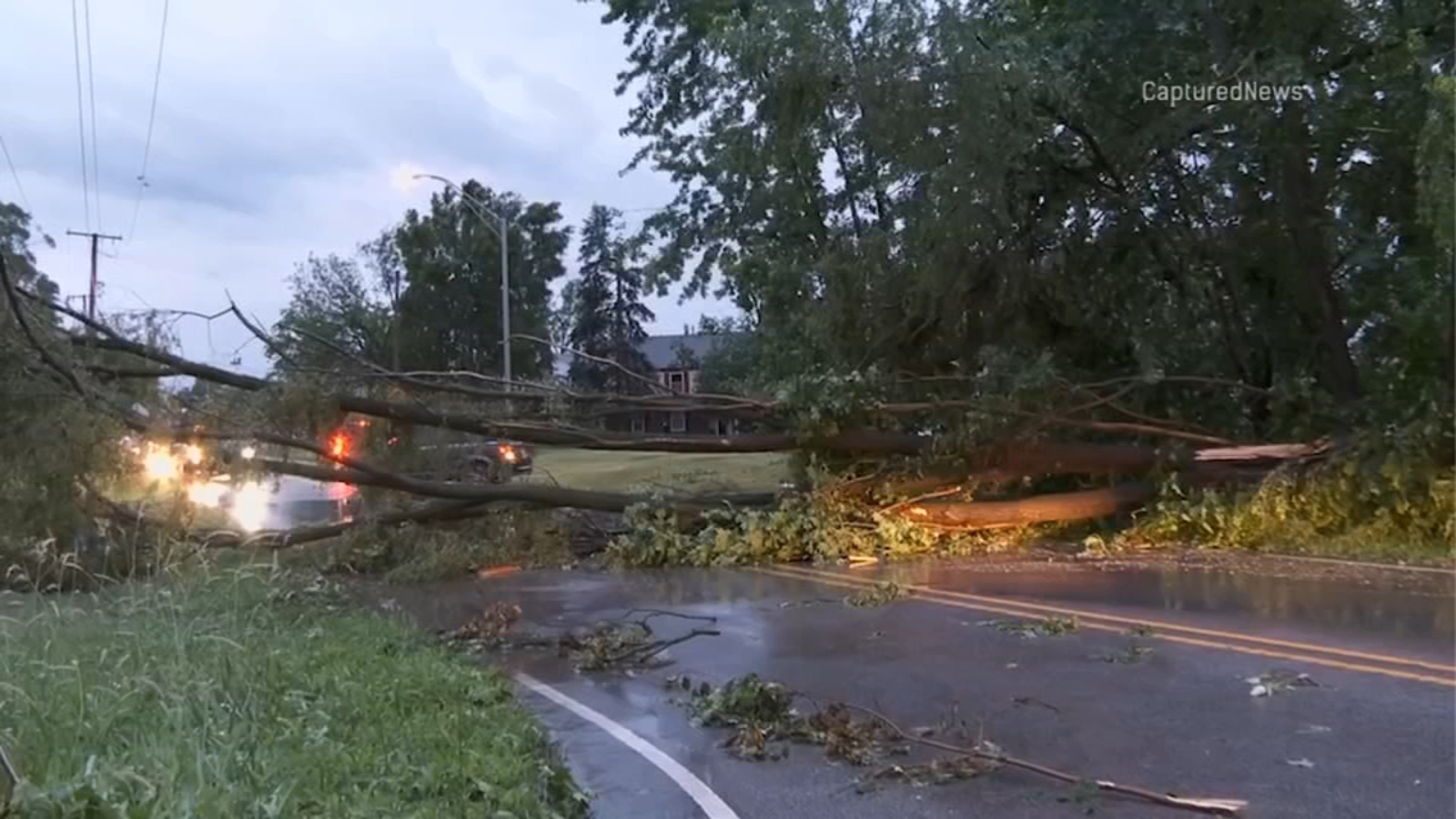
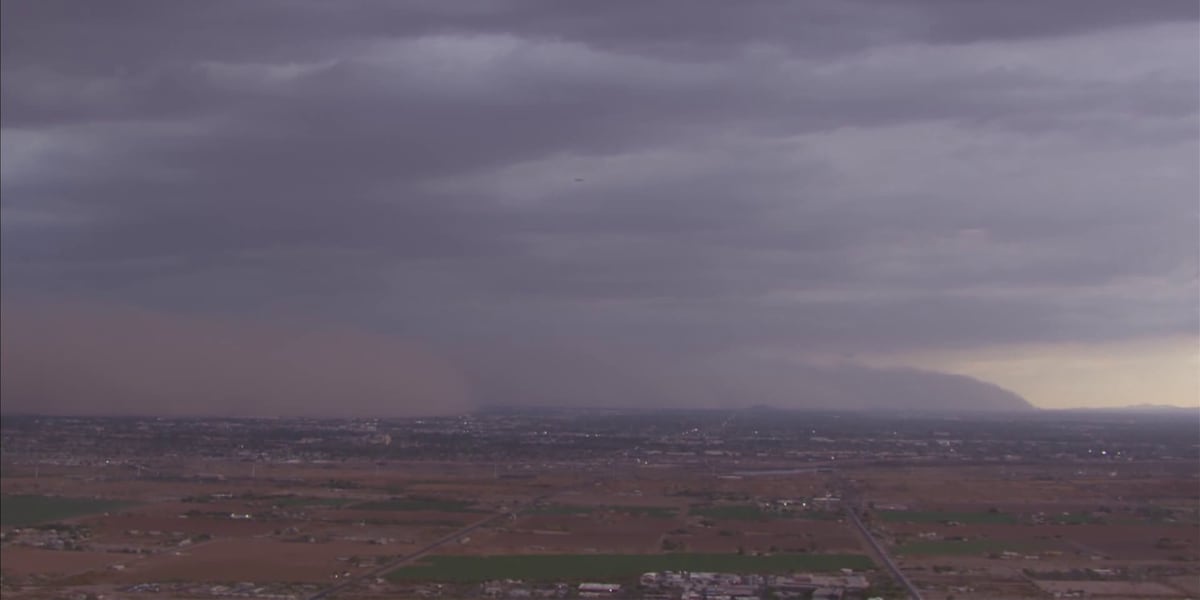
The phrase 'monsoon knocks out power' is trending now because of the severe weather conditions in the Phoenix metro area. Recently, a strong monsoon storm hit the region, causing power outages and flight delays. This situation affects many people and businesses, especially those related to entrepreneurship. The impact of such natural disasters on revenue, customers, and growth is significant.
Understanding Monsoons
Monsoons are seasonal weather patterns that bring heavy rain and strong winds. In the Phoenix area, monsoons typically occur during the summer months. These storms can be dangerous, causing power outages, flooding, and damage to property. For entrepreneurs, it's essential to understand how monsoons can affect their businesses.
Preparing for Monsoons
Business owners can take steps to prepare for monsoons. This includes having a backup power source, such as generators, and a plan for emergency situations. It's also crucial to have insurance that covers damage caused by natural disasters. By being prepared, entrepreneurs can minimize the impact of monsoons on their revenue and customers.
Impact on Revenue: monsoon knocks out power and customers
Monsoons can significantly impact a company's revenue. Power outages can cause businesses to close temporarily, resulting in lost sales. Additionally, damage to property and equipment can lead to costly repairs. For example, a restaurant that loses power during a monsoon may have to throw away perishable food, resulting in a significant loss of revenue.
Strategies for Minimizing Loss
There are strategies that entrepreneurs can use to minimize the loss of revenue during monsoons. One approach is to have a backup power source, such as a generator, to keep the business running. Another strategy is to offer alternative services or products that don't require power. For instance, a coffee shop could offer cold drinks or snacks that don't require electricity.
Diversifying Services
Diversifying services can also help entrepreneurs minimize the impact of monsoons on revenue. By offering a range of services, businesses can reduce their dependence on any one service or product. For example, a company that offers both online and offline services can continue to operate even if the offline service is affected by a power outage.
Effects on Customers
Monsoons can also affect customers, which in turn affects businesses. Power outages and flight delays can cause inconvenience to customers, leading to a negative experience. Entrepreneurs need to consider the impact of monsoons on their customers and take steps to mitigate it.
Communication is Key
Communication is key when it comes to managing the impact of monsoons on customers. Businesses should keep their customers informed about any disruptions or changes to their services. This can be done through social media, email, or text messages. By keeping customers informed, entrepreneurs can build trust and minimize the negative impact of monsoons.
Offering Alternatives
Offering alternative services or products can also help entrepreneurs manage the impact of monsoons on customers. For example, a company that offers delivery services can offer alternative pickup locations or reschedule deliveries for a later time. By offering alternatives, businesses can demonstrate their commitment to customer satisfaction.
Growth and Monsoons
While monsoons can have a negative impact on businesses, they can also present opportunities for growth. Entrepreneurs can use monsoons as a chance to innovate and develop new services or products.
Innovating During Monsoons
Innovating during monsoons can help entrepreneurs stay ahead of the competition. By developing new services or products that meet the needs of customers during monsoons, businesses can differentiate themselves and attract new customers. For example, a company that develops a mobile app for tracking monsoon storms can attract customers who are looking for reliable information.
Identifying New Markets
Monsoons can also help entrepreneurs identify new markets or opportunities. By analyzing the impact of monsoons on different industries or communities, businesses can identify areas where they can provide value. For instance, a company that specializes in water damage restoration can offer its services to homeowners and businesses affected by monsoons.
Preparing for the Future
Preparing for the future is essential for entrepreneurs who want to minimize the impact of monsoons on their businesses. This includes investing in infrastructure, such as backup power sources, and developing emergency plans.
Investing in Infrastructure
Investing in infrastructure can help entrepreneurs prepare for monsoons. This includes investing in backup power sources, such as generators, and upgrading equipment to make it more resilient to power outages. By investing in infrastructure, businesses can minimize the impact of monsoons on their operations.
Developing Emergency Plans
Developing emergency plans is also crucial for entrepreneurs. This includes having a plan for emergency situations, such as power outages, and communicating with customers and employees. By having a plan in place, businesses can respond quickly and effectively to monsoons, minimizing the impact on their operations.
Managing Risk
Managing risk is essential for entrepreneurs who want to minimize the impact of monsoons on their businesses. This includes identifying potential risks, assessing their likelihood and impact, and developing strategies to mitigate them.
Identifying Risks
Identifying risks is the first step in managing risk. Entrepreneurs should consider the potential risks associated with monsoons, such as power outages, flooding, and damage to property. By identifying risks, businesses can develop strategies to mitigate them.
Assessing Risks
Assessing risks is also crucial for entrepreneurs. This includes evaluating the likelihood and potential impact of each risk. By assessing risks, businesses can prioritize their efforts and develop strategies to mitigate the most significant risks.
Developing Risk Management Strategies
Developing risk management strategies is essential for entrepreneurs. This includes developing plans for emergency situations, such as power outages, and investing in infrastructure, such as backup power sources. By developing risk management strategies, businesses can minimize the impact of monsoons on their operations.
Conclusion
In conclusion, the phrase 'monsoon knocks out power' is trending now because of the severe weather conditions in the Phoenix metro area. Monsoons can have a significant impact on businesses, affecting revenue, customers, and growth. However, by understanding monsoons, preparing for them, and managing risk, entrepreneurs can minimize the negative impact and identify opportunities for growth. By taking a proactive approach, businesses can stay ahead of the competition and thrive even in the face of severe weather conditions.
Product Comparison
| Product | Price | Rating | Best For |
|---|---|---|---|
| Backup Power Generator | $500 | 4.5/5 | Best Overall |
Sources & further reading
- Monsoon knocks out power, delays flights in Phoenix metro
- ASU researchers classify massive Arizona dust storm as Category 3
- POWER OUTAGES: Thousands without power across the Valley after monsoon storms
- Mindy Kaling’s Gold Accessory Makes Daytime and Nighttime Outfits Better Instantly
- ‘Not Suitable For Work’ Season 1 Ending, Explained (And Will It Get Renewed?)
- “Not Suitable for Work” isn’t “Friends,” but it’s close
- Google News - Monsoon in Phoenix
- ASU Researchers - Arizona Dust Storm
This article is for informational purposes only. We may earn a commission from links on this page at no extra cost to you.