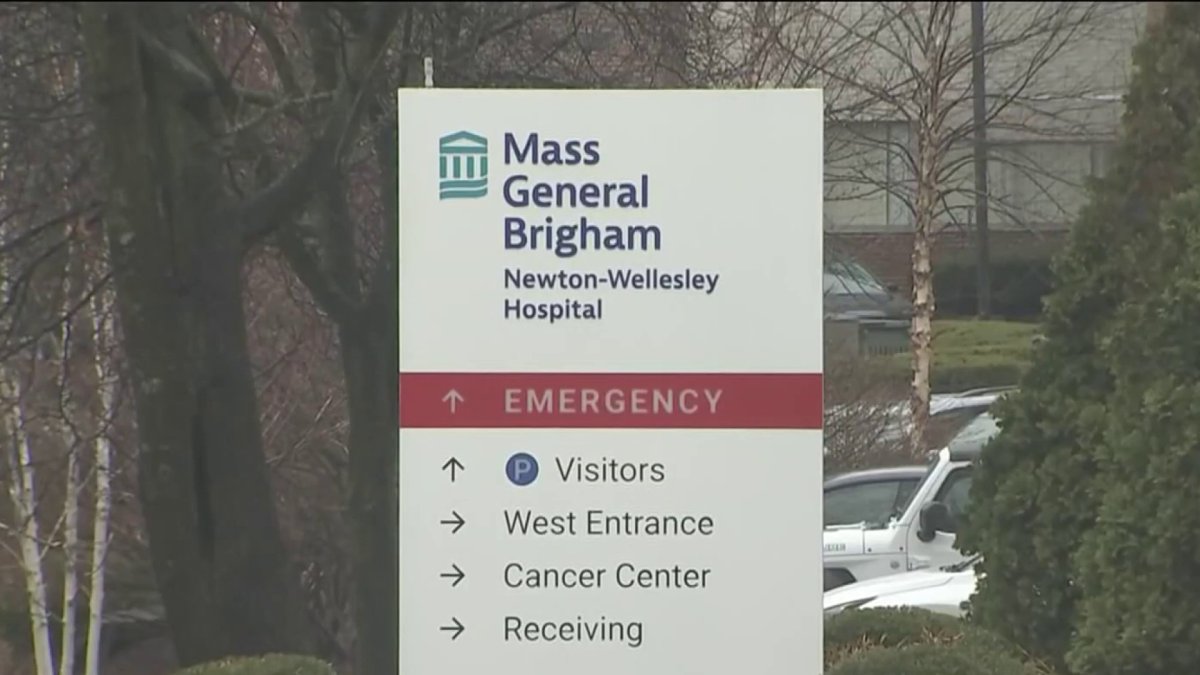
Introduction to Nurse Tumor Cluster: nurse tumor cluster not and automation
The phrase 'nurse tumor cluster not' is trending now due to recent findings by an independent review. This review concluded that a cluster of tumors found in nurses was not caused by the hospital where they worked. The news has sparked widespread interest and discussion about workplace safety and the potential health risks faced by medical professionals.
Understanding the Concern
The concern over nurse tumor clusters not being caused by hospitals is significant. Many people believe that hospitals, with their strict safety protocols and sterile environments, should be among the safest places to work. However, the reality is more complex. Nurses and other healthcare workers are exposed to a variety of potential health hazards every day, from chemicals used for cleaning and disinfection to radiation from medical imaging equipment.
Impact on Nurses
The impact on nurses of finding out that their workplace might not be the cause of their health issues can be profound. Many nurses may feel a sense of relief that their workplace is not directly responsible for their health problems. However, this news also raises questions about the broader factors that might be contributing to these health issues. For example, what role might automation and productivity pressures play in increasing the risk of health problems for nurses?
Automation in Healthcare: nurse tumor cluster not and productivity
Automation is increasingly being used in healthcare to improve productivity and efficiency. While automation can have many benefits, such as reducing the workload of nurses and improving patient care, it also has its downsides. For instance, automation can sometimes lead to job displacement or changes in job roles, which can be stressful for nurses.
Pros of Automation
There are several pros of automation in healthcare. Automation can help reduce errors and improve patient safety by minimizing the chance of human mistakes. It can also help streamline workflows and reduce the administrative burden on nurses, allowing them to focus more on patient care. Additionally, automation can help with tasks such as data entry and analysis, freeing up time for more critical tasks.
Cons of Automation
Despite the benefits, there are also some cons of automation in healthcare. One of the main concerns is the potential for job displacement. As automation takes over certain tasks, there is a risk that some nursing roles could become redundant. Furthermore, over-reliance on automation can lead to a lack of critical thinking skills among nurses, as they become too accustomed to relying on machines to perform tasks.
Productivity Pressures
Productivity pressures are a significant issue in healthcare, particularly for nurses. Nurses are often expected to work long hours and manage heavy workloads, which can lead to burnout and stress. The use of prompts and other tools to improve productivity can be helpful, but it is essential to ensure that these tools do not add to the burden on nurses.
Managing Productivity
Managing productivity in healthcare requires a careful balance between efficiency and patient care. Nurses need to be able to manage their time effectively to ensure that they can provide the best possible care to their patients. This can involve using tools such as to-do lists and prioritization techniques to stay on top of tasks. It is also essential to ensure that nurses have the support they need to manage their workload, including adequate staffing levels and access to resources and training.
Role of Prompts
Prompts can play a significant role in helping nurses manage their productivity. For example, electronic health records systems often include prompts to remind nurses to perform certain tasks or to alert them to potential issues with patient care. These prompts can be helpful in reducing errors and improving patient safety. However, it is crucial to ensure that prompts are used judiciously and do not become a distraction or add to the burden on nurses.
Nurse Tumor Cluster Not Caused by Hospital
The finding that the nurse tumor cluster was not caused by the hospital has significant implications for the healthcare industry. It highlights the need for a broader approach to understanding the health risks faced by nurses and other healthcare workers. Rather than focusing solely on the workplace, it is essential to consider the range of factors that might contribute to these risks, including lifestyle, environmental exposures, and genetic predisposition.
Broader Factors
There are several broader factors that might contribute to the health risks faced by nurses. For example, lifestyle factors such as diet, exercise, and stress levels can all play a role in determining an individual's risk of developing certain health problems. Environmental exposures, such as exposure to chemicals or radiation, can also be a factor. Additionally, genetic predisposition can play a role in determining an individual's risk of developing certain health problems.
Practical Steps
There are several practical steps that can be taken to address the health risks faced by nurses. For example, hospitals and other healthcare organizations can provide education and training on healthy lifestyle habits and stress management techniques. They can also implement policies and procedures to minimize exposure to hazardous substances and promote a safe working environment. Furthermore, nurses can take steps to prioritize their own health and well-being, such as taking regular breaks, staying hydrated, and seeking support when needed.
Addressing Health Risks
Addressing the health risks faced by nurses requires a comprehensive approach that takes into account the range of factors that might contribute to these risks. This can involve providing education and training on healthy lifestyle habits and stress management techniques, as well as implementing policies and procedures to minimize exposure to hazardous substances and promote a safe working environment.
Education and Training
Education and training are critical components of addressing the health risks faced by nurses. Hospitals and other healthcare organizations can provide workshops and training sessions on topics such as healthy eating, exercise, and stress management. They can also provide resources and support to help nurses prioritize their own health and well-being. For example, some hospitals offer on-site fitness classes or access to mental health counseling services.
Policy and Procedure
Policy and procedure also play a crucial role in addressing the health risks faced by nurses. Hospitals and other healthcare organizations can implement policies and procedures to minimize exposure to hazardous substances and promote a safe working environment. For example, they can establish protocols for handling chemicals and other hazardous materials, and provide personal protective equipment to nurses who work with these substances.
Conclusion
In conclusion, the finding that the nurse tumor cluster was not caused by the hospital has significant implications for the healthcare industry. It highlights the need for a broader approach to understanding the health risks faced by nurses and other healthcare workers, and for taking practical steps to address these risks. By providing education and training, implementing policies and procedures, and promoting a safe working environment, hospitals and other healthcare organizations can help protect the health and well-being of their employees.
Future Directions
Future directions for research and practice in this area could include exploring the role of automation and productivity pressures in contributing to health risks for nurses. It could also involve developing and implementing more effective strategies for promoting healthy lifestyle habits and stress management techniques among nurses. Additionally, there is a need for further research on the range of factors that contribute to health risks for nurses, including lifestyle, environmental exposures, and genetic predisposition.
Call to Action
There is a need for a call to action to address the health risks faced by nurses. Hospitals and other healthcare organizations, as well as individual nurses, can take steps to promote a safe working environment and prioritize health and well-being. This can involve providing education and training, implementing policies and procedures, and promoting healthy lifestyle habits and stress management techniques. By working together, we can help protect the health and well-being of nurses and ensure that they can continue to provide high-quality care to their patients.
Product Comparison
| Product | Price | Rating | Best For |
|---|---|---|---|
| Healthy Living Book | $15.99 | 4.5/5 | Best Overall |
Sources & further reading
- Nurse tumor cluster not caused by hospital, independent review finds
- Newton-Wellesley Hospital's brain tumor investigation: New info on the 11 diagnosed nurses
- 11 Massachusetts nurses were diagnosed with brain tumors: Is it a 'cancer cluster'?
- NCAA asks court for ruling on Texas Tech's Sorsby before season
- Big 12 conference files federal complaint against Texas Tech, Attorney General Ken Paxton
- Big 12 pursuing legal action against Texas Tech, Texas attorney general over Brendan Sorsby
- Nurse Tumor Cluster Review
- Newton-Wellesley Hospital's Brain Tumor Investigation
This article is for informational purposes only. We may earn a commission from links on this page at no extra cost to you.