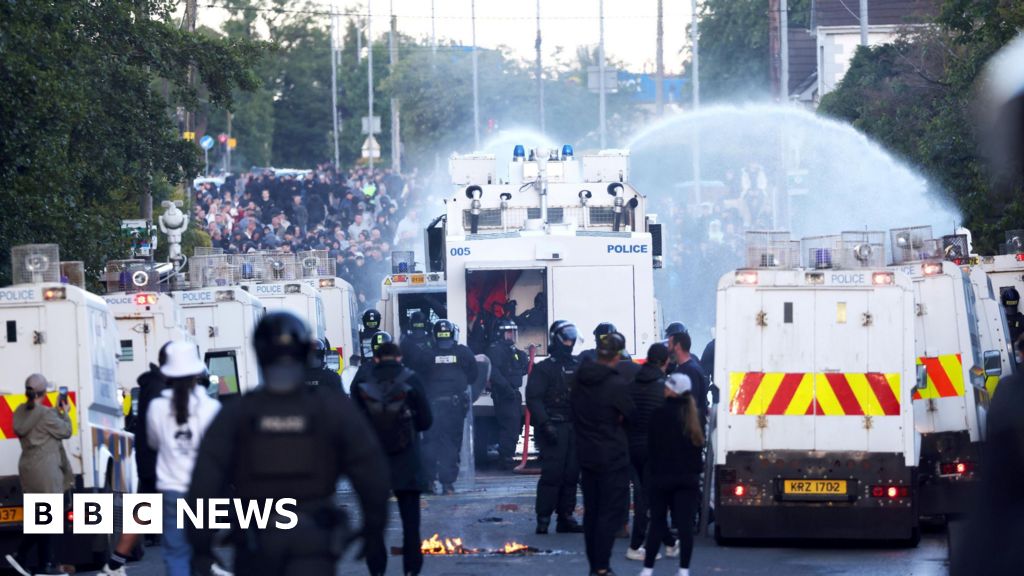
The water cannon fired latest news has been trending on Google after a recent incident in Belfast. This event has drawn attention to the city's ongoing issues with violence and disorder. But how does this affect your money and savings? In this article, we will explore the connection between trending news and personal finance.
Introduction to Personal Finance: water cannon fired latest and money
The concept of personal finance involves managing your money and making informed decisions about investments, savings, and debt. It requires a deep understanding of your financial situation and the ability to make smart choices. When it comes to trending news like the water cannon fired latest incident, it's essential to consider how it might impact your financial well-being.
Understanding Financial Goals
To achieve financial stability, you need to set clear goals. This could include paying off debt, building an emergency fund, or saving for retirement. By prioritizing your goals, you can create a plan to manage your money effectively. For example, if you're trying to pay off debt, you might consider consolidating your loans or negotiating with creditors.
Creating a Budget
A budget is a crucial tool for managing your money. It helps you track your income and expenses, making it easier to identify areas where you can cut back and allocate more funds to savings or debt repayment. When creating a budget, consider using the 50/30/20 rule: 50% of your income goes towards necessary expenses, 30% towards discretionary spending, and 20% towards savings and debt repayment.
Impact of Trending News on Personal Finance: water cannon fired latest and savings
Trending news like the water cannon fired latest incident can have a significant impact on personal finance. For instance, if the incident leads to increased instability in the region, it could affect the local economy and, in turn, your money.
Economic Instability
Economic instability can lead to job losses, reduced income, and decreased savings. In such a scenario, it's essential to have an emergency fund in place to cover at least 3-6 months of living expenses. This fund will help you weather the financial storm and avoid going into debt.
Investment Risks
If you have investments, trending news like the water cannon fired latest incident can also affect their value. For example, if the incident leads to a decline in the local economy, your investments may lose value. It's crucial to diversify your portfolio and consider consulting with a financial advisor to minimize risks.
Managing Debt
Debt can be a significant burden on your personal finance. When managing debt, it's essential to prioritize your debts, focusing on high-interest loans first. You can also consider consolidating your debt or negotiating with creditors to reduce interest rates.
Debt Consolidation
Debt consolidation involves combining multiple debts into a single loan with a lower interest rate. This can simplify your payments and reduce the amount of interest you pay over time. However, it's crucial to carefully review the terms and conditions of the consolidation loan to ensure it's the right choice for you.
Negotiating with Creditors
Negotiating with creditors can be an effective way to reduce interest rates or waive fees. When negotiating, be honest about your financial situation and provide evidence of your income and expenses. This can help you build a stronger case and increase your chances of a successful negotiation.
Building Savings
Building savings is a critical aspect of personal finance. It provides a safety net in case of emergencies and helps you achieve long-term financial goals. When building savings, consider setting aside a fixed amount each month and taking advantage of high-yield savings accounts.
Emergency Funds
An emergency fund is a type of savings that covers 3-6 months of living expenses. This fund will help you weather financial storms, such as job losses or medical emergencies, without going into debt. When building an emergency fund, consider setting aside a fixed amount each month and keeping the funds in a easily accessible savings account.
Long-Term Savings
Long-term savings involve setting aside funds for goals that are 5-10 years away, such as retirement or a down payment on a house. When building long-term savings, consider taking advantage of tax-advantaged accounts, such as 401(k) or IRA, and investing in a diversified portfolio.
Investing in the Stock Market
Investing in the stock market can be a great way to grow your money over the long term. However, it's essential to understand the risks and rewards involved. When investing in the stock market, consider diversifying your portfolio and taking a long-term approach.
Diversification
Diversification involves spreading your investments across different asset classes, such as stocks, bonds, and real estate. This can help reduce risk and increase potential returns. For example, if you invest in a mix of stocks and bonds, you can reduce the impact of market fluctuations on your portfolio.
Long-Term Approach
A long-term approach involves holding onto your investments for at least 5-10 years. This can help you ride out market fluctuations and give your investments time to grow. When taking a long-term approach, consider setting clear goals and avoiding emotional decisions based on short-term market movements.
Avoiding Financial Pitfalls
Avoiding financial pitfalls is a critical aspect of personal finance. This involves being aware of common mistakes, such as overspending or failing to save, and taking steps to avoid them.
Overspending
Overspending can lead to debt and reduced savings. To avoid overspending, consider tracking your expenses and creating a budget. You can also implement the 30-day rule, where you wait 30 days before making non-essential purchases.
Lack of Savings
A lack of savings can leave you vulnerable to financial shocks. To avoid this, consider setting aside a fixed amount each month and taking advantage of high-yield savings accounts. You can also automate your savings by setting up automatic transfers from your checking account.
Conclusion
In conclusion, the water cannon fired latest news may seem unrelated to personal finance, but it can have a significant impact on your money and savings. By understanding the connection between trending news and personal finance, you can make informed decisions about your money and achieve financial stability. Remember to prioritize your goals, create a budget, and avoid financial pitfalls to ensure a secure financial future.
Final Thoughts
As you navigate the world of personal finance, remember that it's essential to stay informed and adapt to changing circumstances. By following the tips and strategies outlined in this article, you can build a strong foundation for your financial future and achieve your long-term goals. Whether you're trying to pay off debt, build savings, or invest in the stock market, the key is to stay focused and committed to your goals.
Product Comparison
| Product | Price | Rating | Best For |
|---|---|---|---|
| Mint Budgeting App | $0 | 4.5/5 | Best Overall |
Sources & further reading
- Water cannon fired in latest disorder after Belfast knife attack
- Police in Belfast use water cannon as anti-immigrant unrest continues
- Police use water cannon against rioters in Northern Ireland
- How to watch BAN vs AUS ODI series 2026 live: Start time, TV channels and streaming details worldwide
- Bangladesh Australia Cricket
- Mosaddek and Rana lead Bangladesh to second ever ODI win over Australia
- BBC News - Belfast Disorder
- The Guardian - Water Cannon Fired
This article is for informational purposes only. We may earn a commission from links on this page at no extra cost to you.